

What Is Product Seeding? How Brands Send Products to US Creators
Product seeding means sending your product to US creators who try it and post their own videos. How it works, step by step, and the rules that apply.
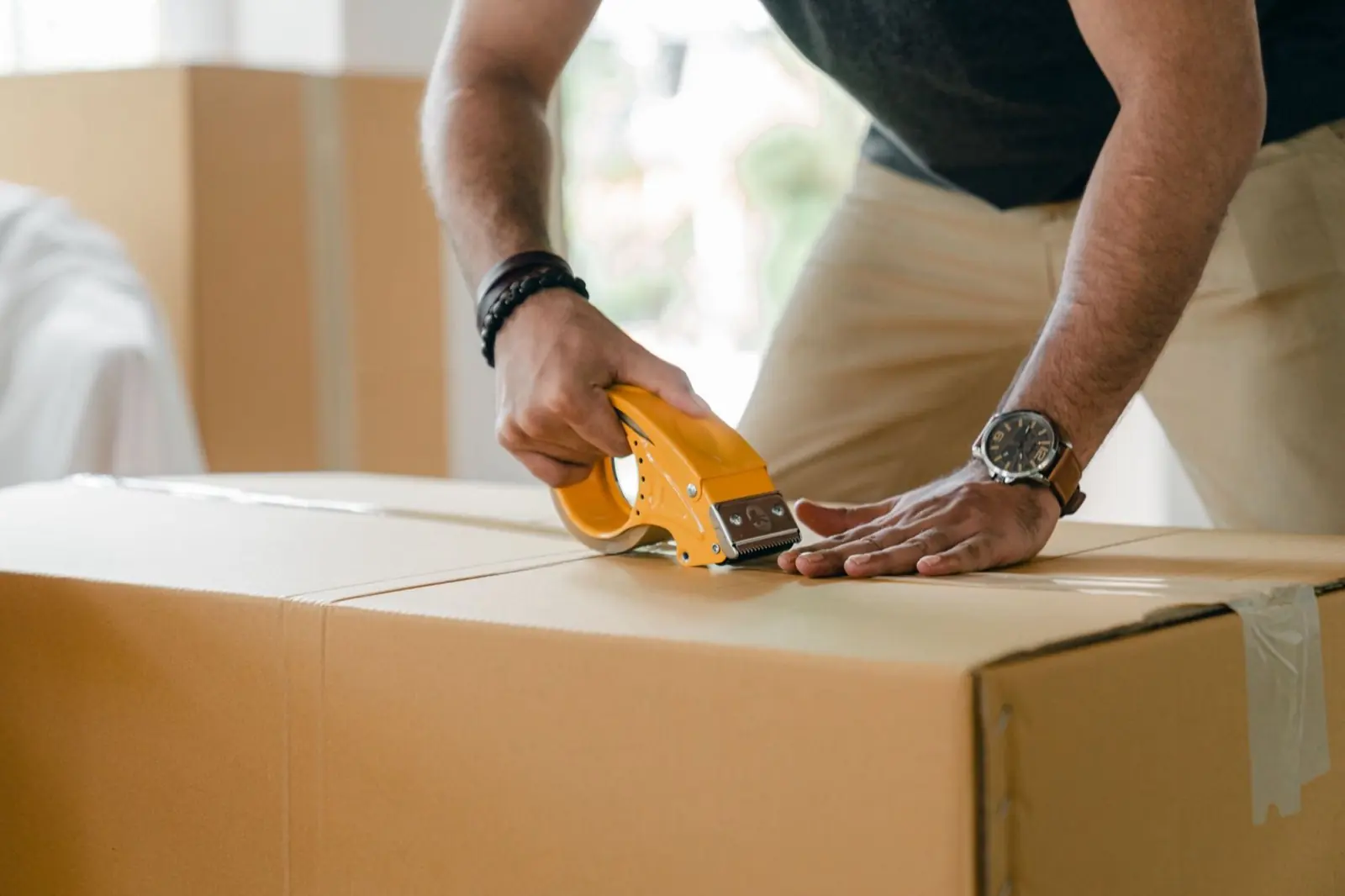
Product seeding is when a brand sends its product to a group of creators, usually without negotiating a fee for each post, so they can use it and make their own videos about it. In the US, TikTok is a common home for these videos, and some brands also want creator videos on their Amazon listings. Whether it works depends mostly on two things: picking creators who genuinely fit the product, and sending enough units to cover the people who end up not posting.
You will also hear it called influencer gifting. Below is how a US campaign runs, how it differs from paying creators, and the disclosure rules that apply even when no fee changes hands.
What is product seeding, and how is it different from paid partnerships?
Instead of paying one or two well-known accounts, you put your product in the hands of dozens or hundreds of smaller creators and let honest videos build up over a few weeks.
One common US setup is opt-in. You publish the product, what you would like to see posted (one TikTok video, for example), and any usage notes. Creators who are interested apply, and you choose who gets a unit. The creative side stays with them. Once a brand starts dictating scripts and talking points, the content starts to look like an ad, and viewers can tell.
Why would someone post without a negotiated fee? Creators who post several times a week always need something new to film, and a product that fits their niche is good material. Many also see seeding as the start of a relationship that could turn into paid work later. The flip side is plain. If the product isn't interesting to film, or the creator doesn't like it, the video usually doesn't happen. Seeding rewards a good product matched to the right people.
| Product seeding | Paid creator partnership | |
|---|---|---|
| Main goal | Many videos, early awareness, social proof | Fewer videos with tighter quality control |
| Typical creators | Nano and smaller micro creators | Micro creators and up, picked one by one |
| What the creator receives | The product, with no negotiated per-post fee | A negotiated fee plus the product |
| Creative direction | Mostly up to the creator | Brief, draft approval, revisions |
| Posting | Some recipients won't post, so you send extra | Written into the contract |
| When it fits best | Little or nothing about your brand exists online in the US yet | You need specific messages or footage you can run as ads |
Put simply, seeding goes wide and paid partnerships go narrow. Brands entering the US can start with seeding so that a search for their name turns up real videos, then add paid creators once they know which messages land. If you are weighing creator sizes, nano vs micro creators goes deeper.
How does a US product seeding campaign work?
For a first campaign, plan on six to eight weeks from opening applications to a wrap-up report. Products that take days to show a result, like skincare, sit at the longer end.
| Weeks | Stage | What happens |
|---|---|---|
| 1-2 | Recruiting | Campaign goes live, creators apply, you pick who fits |
| 3-4 | Shipping | Units go out to the chosen creators at their US addresses |
| 5-6 | Filming and posting | Creators use the product, film and post; a reminder goes out if needed |
| 7-8 | Wrap-up | Links, views, comments and standout creators get collected |
Before you open applications, have these ready:
- Product brief. Plain English: what it is, who it's for, how to use it, and anything creators must not claim (health or medical claims especially).
- Posting ask. One TikTok video is the usual baseline. Say up front if you also want a video on Amazon.
- Disclosure instructions. More on this in the next section.
- US inventory. Shipping from US stock is usually faster than mailing each unit from abroad, and it keeps every parcel from going through customs on its own. Restricted or temperature-sensitive goods need a plan before week 3. See shipping products to US creators.
- Extra units. You will need more units than videos. How many creators to seed walks through the math.
When choosing creators, look past follower counts. Watch a few recent videos, check the niche they actually cover, and ask whether their audience looks like your buyer.
Follow up after delivery, but keep it light. Two or three friendly check-ins are plenty; a video made under pressure rarely helps you.
This is the workflow Collaboom, our product seeding platform, is built around. Brands list a product, creators across the US apply with their own TikTok account and a US shipping address, and the brand decides who receives it. Creators then post on TikTok and Amazon, and our team checks every post before it reaches the brand.
Do creators have to disclose gifted products?
Yes, and it is an easy rule for brands from outside the US to miss. No fee doesn't mean no ad. The FTC's guidance for influencers says to disclose the relationship if you got anything of value to mention a product, and it names free or discounted products explicitly.
The FTC is specific about wording too. In its Endorsement Guides Q&A, it says "Gifted" on its own, with no brand name, is likely to be ambiguous, while "Gifted by [Brand]" should be enough when a free product is all the creator received. If anything else of value is involved, a clear #ad is the safer choice, and the FTC confirms #ad works for free products as well as paid posts. In a video, the disclosure belongs in the video itself, not only in the caption.
Two more points from the same FTC page matter to brands. You are expected to tell creators how to disclose and to monitor what they post. And the FTC says US law applies when it is reasonably foreseeable that a post will be seen by and affect US consumers, even if the creator is based outside the US.
TikTok lines up with this. Its Branded Content Policy counts a product gifted by a brand as branded content and requires the creator to turn on the commercial content disclosure toggle, which labels the video automatically.
Amazon customer reviews follow stricter rules. Amazon says selling partners cannot offer compensation in exchange for a positive or negative review, and its systems look for reviews incentivized with free product. The FTC's rule on consumer reviews, finalized in 2024, also bans incentives conditioned on reviews expressing a particular sentiment. So never ask seeded creators to leave an Amazon customer review. Amazon's own route for early customer reviews is Vine, which is invitation-only for reviewers. Creator videos on Amazon run through a separate channel, covered in Amazon creator videos. For wording examples, see FTC disclosure for gifted products. This is general information, not legal advice.
When is product seeding the right choice?
Seeding tends to fit when:
- Hardly anyone in the US knows your brand yet, and searching your name returns little
- People naturally want to talk about the product once they try it, as with beauty, food or home goods
- Your unit cost and US shipping let you send dozens of units or more
- Building a base of videos matters more to you right now than this month's sales
It is a weaker fit when:
- You need conversions this month. Paid ads will move faster.
- Each unit is expensive, so a small group of paid creators is more efficient.
- You must control the exact message and the posting date.
- Customs or cold-chain shipping hasn't been sorted out yet.
Across every one of these, who you send to matters more than how many. If you are mapping out a full launch, the first 90 days in the US market shows where seeding usually sits. And if you would like to talk through a first US seeding campaign, you can reach us here.
Frequently asked questions
Is product seeding the same as influencer gifting?
Yes. Both describe sending product to creators, without a negotiated per-post fee, so they can make their own content. "Seeding" often suggests a larger group at once, but people use the two terms interchangeably.
Will every creator who gets the product post a video?
No. Shipping delays and personal schedules account for some of the gap, and sometimes the product just doesn't suit the person. Plan for it by sending more units than the number of videos you need.
Do creators need to add #ad if they only got a free product?
They need a clear disclosure. The FTC says "Gifted by [Brand]" should be enough when a free product is the only thing received, while "Gifted" alone is likely ambiguous. On TikTok, creators also need to switch on the commercial content disclosure toggle.
Can I ask seeded creators to leave an Amazon review?
No. Amazon prohibits compensation in exchange for reviews and actively looks for reviews incentivized with free product. Ask for TikTok videos or Amazon creator videos instead, which follow different rules.
Sources
- FTC, Disclosures 101 for Social Media Influencers
- FTC, FTC's Endorsement Guides: What People Are Asking
- FTC, Federal Trade Commission Announces Final Rule Banning Fake Reviews and Testimonials (August 2024)
- TikTok, Branded Content Policy (as of 2026)
- Amazon, How Amazon maintains a trusted review experience (as of 2026)