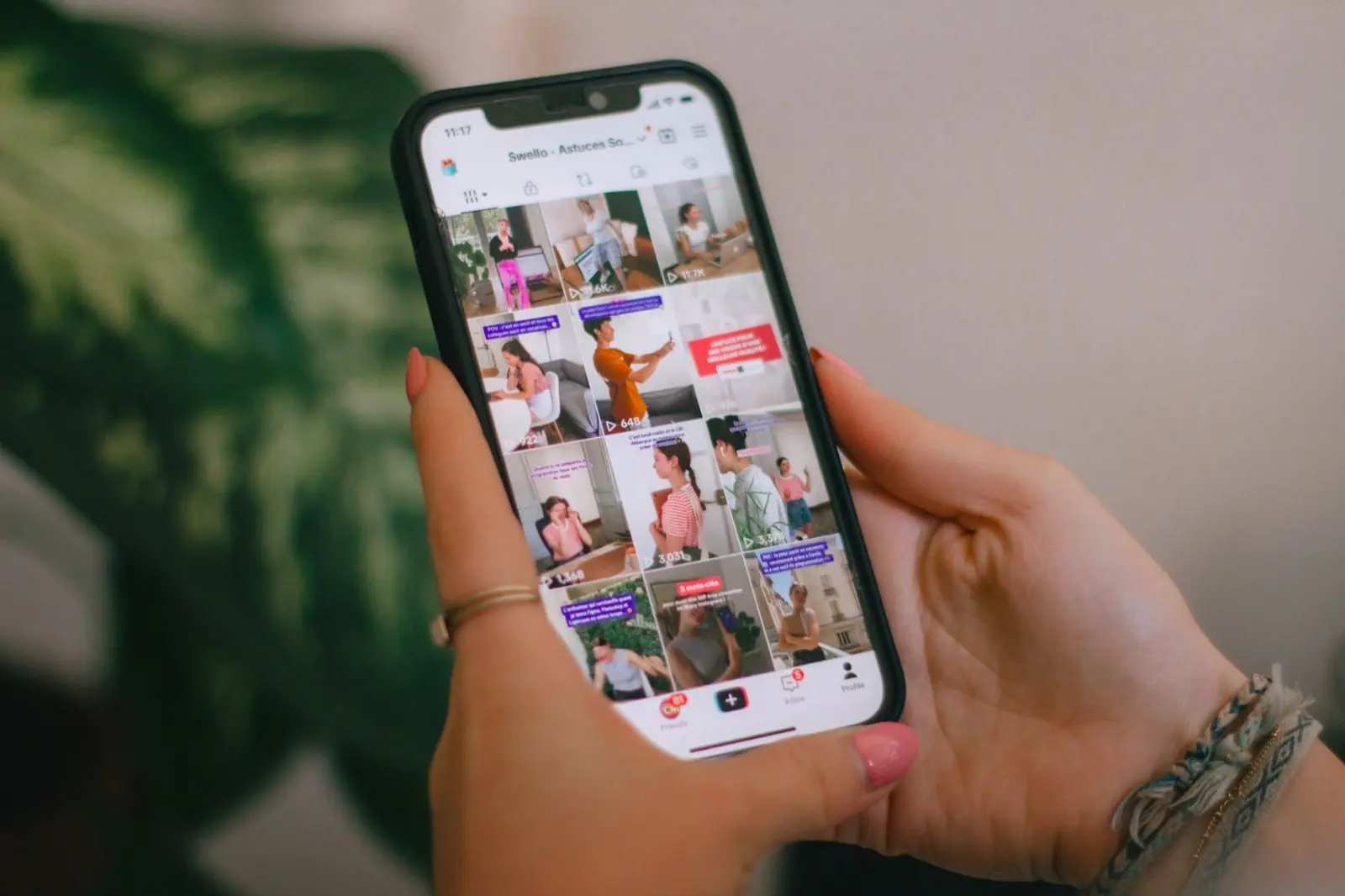


Nano vs. Micro Creators: Which Fits Your Brand?
Nano creators give you volume and real-life variety. Micro creators give you more say over the message. How to choose, and when to use both.
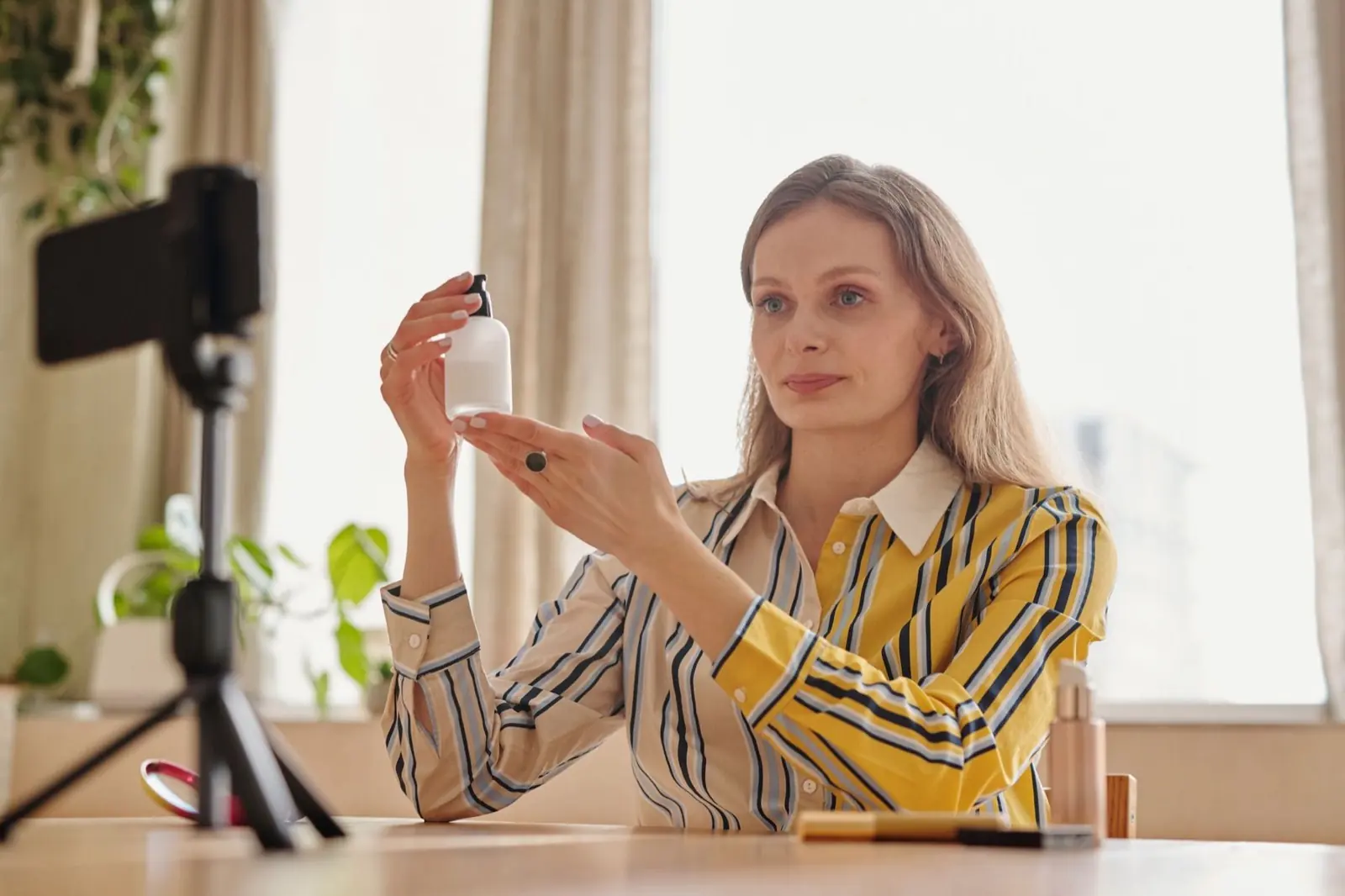
If your goal is to get many different people showing your product in their own lives, start with nano creators (roughly 1,000 to 10,000 followers) and send product to a large group. If you need a specific message delivered accurately, or footage you plan to run as ads, pay a smaller number of micro creators (roughly 10,000 to 100,000 followers) under a written agreement. Most public benchmarks give smaller accounts higher engagement rates, but the gap depends on the platform and on how each source does the math, so engagement alone shouldn't make the decision.
This piece is for marketing leads at brands from outside the US deciding where their first creator budget should go. The question usually gets framed as "which tier performs better." The more useful version is which way of working matches what your brand is missing right now.
What is the difference between nano and micro creators?
The labels come from follower counts. The split most people use, and the one Influencer Marketing Hub publishes, puts nano at 1K to 10K followers, micro at 10K to 100K, macro at 100K to 1M, and mega above 1M. Not everyone draws the lines in the same place. HypeAuditor's Instagram benchmark treats 5K to 50K as micro, for example. When you talk to an agency or platform, agree on an actual follower number rather than a label. (You'll also see all of this filed under "influencer tiers" in search results. Same idea.)
The difference that matters more is how you work with each group.
| Nano creators | Micro creators | |
|---|---|---|
| Typical followers | 1K to 10K | 10K to 100K |
| Usual arrangement | Product first, usually no negotiated per-post fee | Paid partnership with a written agreement |
| Creative control | Creator decides what to say and show | Brief and draft check are common |
| What you get | Many short videos from different homes and routines | Fewer videos built around your key message |
| Good for | First footage of real use, early awareness, Amazon product page videos | Message accuracy, ad creative, launches with a fixed date |
| Watch out for | Some recipients won't post, and quality varies | Higher cost per video and more setup time |
Do nano creators get higher engagement than micro creators?
Usually, yes. The difference is smaller than many people assume, though. These are the public benchmarks we opened and checked (as of 2026):
| Source | Platform | Smaller accounts | Larger accounts | How it's calculated |
|---|---|---|---|---|
| HypeAuditor Instagram benchmark (updated Aug. 2026) | 1K to 5K: about 4 to 5%. 5K to 50K: about 2.5 to 3.5% | 50K to 500K: about 2 to 2.5%. 500K+: about 1 to 2% | (Likes + comments) / Reels views, or / followers for accounts with few Reels | |
| HypeAuditor 2025 report summary (May 2025) | TikTok | Under 10K: 10.3% average | Not published by tier | Not stated |
| Captiv8 data reported by eMarketer (Mar. 2024) | Instagram and TikTok | Instagram under 10K: 6.23%, the highest Instagram tier | TikTok 1.5M+: 4.95%. Other tiers not published in the article | 5,000+ organic campaign posts. Instagram per impression, TikTok per view |
The direction holds up: smaller accounts tend to post higher rates. But you can't line up numbers from different rows and call a winner. HypeAuditor's "micro" band starts at 5K, which isn't what most brands mean by micro. The denominator changes everything too. Rates calculated per view look nothing like rates calculated per follower, and some reports don't say which they used.
TikTok behaves differently. In the Captiv8 data, very large TikTok accounts kept engagement fairly high, which isn't the Instagram pattern. TikTok also said in 2020 that follower count and past high-performing videos are not direct factors in what its For You feed recommends. In practice, a nano creator's video can travel well beyond their followers, while a 60K account can have a quiet month. On TikTok, check a creator's recent median views and read the comments before you weigh follower count.
Keep in mind that engagement is a ratio. It tells you how an audience reacts, not how many people saw the video. Two creators with identical rates can reach very different numbers of people.
Which tier fits your goal?
Choose nano creators when you need volume and variety
When a brand first arrives in the US, the gap is usually simple. Nobody here has shown the product yet. Search the brand name on TikTok and nothing comes up. The Amazon listing has no creator video. At this stage, twenty people using the product in twenty different kitchens or bathrooms does more for you than one polished video.
Product seeding with nano creators fits that gap. You send product to a large group and each creator talks about it their own way. Their audiences are small, and the comment sections often read like conversations. You also learn something a brief can't tell you: which features Americans bring up first and which questions keep coming back.
Plan for drop-off. Some recipients will get busy or go quiet, so ship to more people than the number of videos you need. Our piece on how many creators to seed walks through that math. Keep the brief short, too. Long scripts take away the thing that makes nano content work, and if your list of must-say lines keeps growing, that's a sign the job belongs to micro creators.
This is the workflow Collaboom, our seeding platform, is built around. You list the product, creators across the US apply with their own TikTok account and a US shipping address, you choose who receives it, and our team checks each post before it reaches you.
Choose micro creators when the message has to be right
Some products need explaining. Maybe the order of use matters, the category is new to US shoppers, or one careless phrase could cause a regulatory problem. Send that product to fifty nano creators and you'll get fifty interpretations. Variety is useful, but not when accuracy comes first.
Micro creators generally work for a fee, and that lets you put things in writing: video length, posting date, claims to include or avoid, and a draft you can check before it goes live. Many have built their audience around one category, so their followers came for exactly this kind of recommendation. If you want to run the videos as paid ads, settle that in the agreement as well. Our guide to Spark Ads and usage rights covers the options.
How do you use nano and micro creators together?
Most marketers aren't choosing one. In Influencer Marketing Hub's Benchmark Report 2026 (published May 2026, 600+ respondents), 51.43% said they plan to increase or start working with nano creators, against 10.00% planning to cut back or stop. For micro creators it was 52.83% against 7.55%. Macro was close to even, at 20.59% and 20.58%. The report doesn't break respondents down by country, so read it as general direction rather than a US-only figure.
The two approaches tend to work best in sequence:
- Seed nano creators first and pay attention to what people actually say about the product.
- Pull out the benefits and questions that repeat. Don't be surprised if creators lead with texture or convenience rather than the feature you planned to headline.
- Brief micro creators using that sharper message.
- Put ad spend behind the videos that perform.
Flip the order when your launch date is fixed and you need accurate reference videos on day one. Start with a few paid micro partnerships, then add seeding for volume.
Whatever the tier, US disclosure rules apply the same way. The FTC treats free product as a material connection, and its guidance sets no follower minimum, so a 3,000-follower account should disclose just as a celebrity would. Our FTC disclosure guide has the details.
Frequently asked questions
How many followers does a nano creator have?
The most common definition is 1,000 to 10,000 followers, with micro at 10,000 to 100,000. Some sources use different cutoffs, and HypeAuditor's Instagram benchmark puts micro at 5,000 to 50,000. Agree on a specific follower range with any partner instead of relying on the label.
Should a brand with a small budget start with nano creators?
If what you need is volume of real-use footage, yes, nano seeding is the natural starting point. If a handful of videos must carry an exact message, a few paid micro partnerships may serve you better than a large seeding round. The deciding factor is the goal, not the budget size.
Can I ask nano creators to change their video?
Seeding works because creators speak in their own voice, so there's limited room for revision requests. You can and should set basic rules, such as the product name, claims to avoid, and disclosure. If you need to check drafts and request edits, that's a paid partnership.
Do disclosure rules apply to small accounts?
Yes. The FTC says free or discounted products count as a financial relationship, and its guidance doesn't set a follower minimum. On TikTok, creators also need to turn on the commercial content disclosure setting for gifted products.
If you're weighing nano against micro for a specific product, you're welcome to tell us about it.
Sources
- Influencer Marketing Hub, 20 Types of Social Media Influencers You Need to Know About (tier definitions, October 2024)
- HypeAuditor, Instagram Engagement Rate: How Influencers' Engagement Can Boost Your Brand (updated August 2026)
- HypeAuditor, 2025 Influencer Marketing Trends: Insights from HypeAuditor's Latest Report (May 2025, updated September 2026)
- eMarketer, Instagram's nano-influencers outperform, as do TikTok's upper echelon of creators (Captiv8 data, March 2024, PDF)
- TikTok Newsroom, How TikTok recommends videos #ForYou (June 2020)
- Influencer Marketing Hub, Influencer Marketing Benchmark Report 2026 (May 2026)
- FTC, Disclosures 101 for Social Media Influencers
- TikTok, Branded Content Policy (as of 2026)