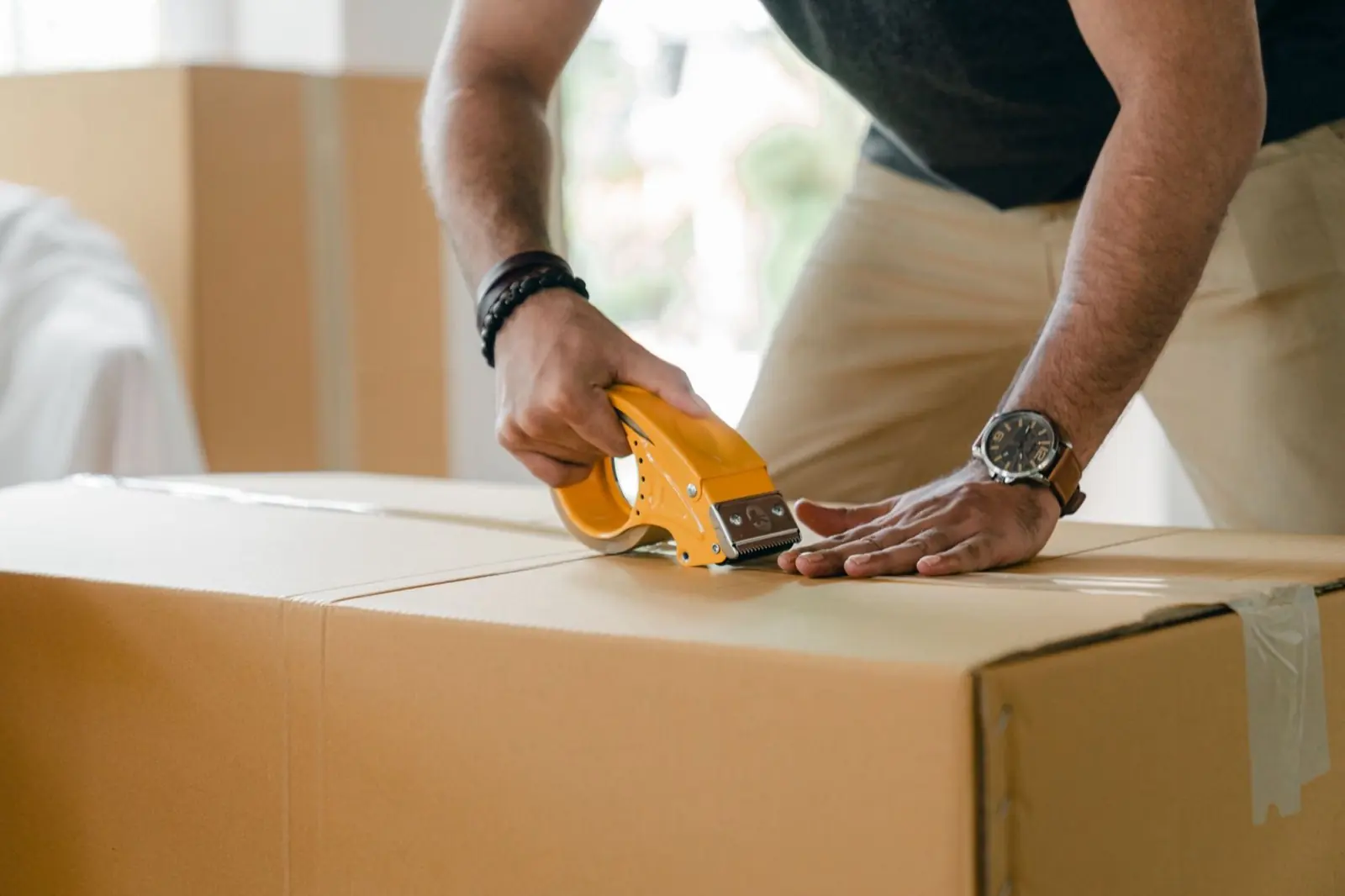


Shipping Products to US Creators: Amazon MCF, 3PL or Direct
Three ways to get product to US creators, when each one fits, and what to check on customs, FDA rules and addresses before the first box ships.
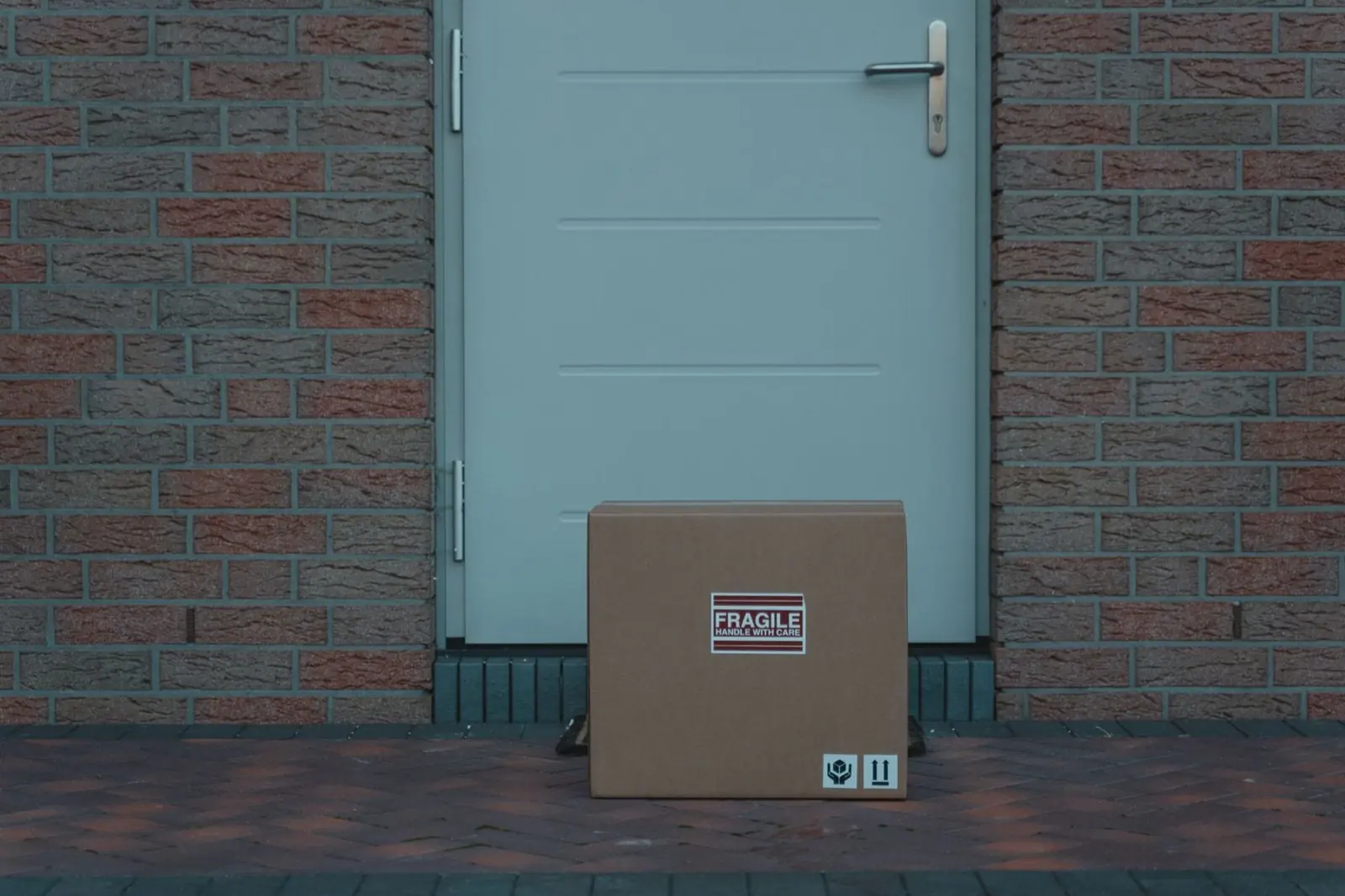
There are three practical ways to get product to creators in the US. If your inventory already sits in Amazon's fulfillment network, Amazon Multichannel Fulfillment (MCF) is the simplest. If you are sending to dozens of creators, importing once into a US third-party logistics (3PL) warehouse and shipping domestically is easier to manage, and individual parcels sent from abroad really only suit a handful of test sends.
The reason is customs. As of 2026 the US has suspended the de minimis exemption that used to let low-value parcels enter duty-free, so each commercial parcel sent in from overseas now goes through customs entry on its own and owes any applicable duties. Bringing product in once and splitting it up inside the US keeps that to a single event.
Customs and FDA points below are general information, so confirm the details for your product with a licensed customs broker or regulatory advisor before you ship.
Which shipping method should you use for creator seeding?
| Amazon MCF | US 3PL warehouse | Direct from abroad | |
|---|---|---|---|
| How it works | Amazon ships orders from your FBA inventory | Bulk import to a US warehouse, then ship per creator | Each parcel ships from abroad to the creator |
| What you need first | Amazon selling account and FBA inventory | Warehouse agreement and one bulk import | A carrier account |
| Customs entries | One, when inventory entered the US | One, at warehouse inbound | One per parcel |
| Delivery time | 3 business days (Standard) or 2 (Expedited), per Amazon | Depends on the carrier service | Longest and least predictable |
| Packaging | Unbranded packaging available, custom boxes and inserts not listed | Custom boxes and cards often possible (ask the warehouse) | Whatever you pack |
| Fits when | You already sell on Amazon US | You seed dozens of creators or more | You are testing with a few creators |
| Watch out for | No FBA stock, no MCF | Storage terms and inbound timing | Duties billed to the creator, clearance delays |
Amazon MCF, 3PL or direct: pros and cons
Amazon MCF
MCF fills orders from channels outside Amazon using inventory stored in Amazon's fulfillment network. Amazon picks, packs and ships, and Amazon's supply chain blog says both speed options include real-time tracking and lists unbranded packaging as a feature.
For creator shipments, sending a unit is just creating an order. The stock already cleared customs on its way into the fulfillment center, so nothing crosses the border again. That suits campaigns where the brand picks specific creators and wants product moving right away.
MCF needs an Amazon seller account and inventory already in FBA. Amazon's MCF pages list unbranded packaging but not custom boxes or inserts, so plan on plain packaging with no personal note. If you are not selling on Amazon yet, setting up FBA purely to ship seeding units gets the order backward.
US 3PL warehouse
With a 3PL, you import product into a US warehouse in one shipment and clear customs once. The warehouse packs each creator's order and hands it to a domestic carrier. One entry means simpler paperwork and a duty bill you can calculate up front, and custom boxes or printed instructions become warehouse tasks.
USPS is one option for this leg. Ground Advantage delivers in 2 to 5 days for packages up to 70 lbs, with tracking and up to $100 of insurance included. Priority Mail runs 2 to 3 days, and boxes over one cubic foot are charged by dimensional weight (length × width × height ÷ 139, in inches) when that exceeds actual weight, which is why oversized gift boxes cost more to ship.
Direct from abroad
Sending parcels straight from your home country needs no warehouse, so it is easy to set up for a test with a few creators. The trouble grows with volume. Every parcel clears customs on its own, and depending on the shipping terms, duties can be billed to the recipient. Creators handed a duty bill for a "gift" may refuse the package. If you ship direct, ask the carrier about Delivered Duty Paid (DDP) terms, where the sender pays import charges, and allow for clearance delays.
Do you pay US duties on creator shipments in 2026?
Yes, in most cases. The de minimis exemption, which let shipments valued at $800 or less enter without duty, has been suspended. Here is the sequence as of October 2026.
| Date | What changed |
|---|---|
| Aug 29, 2025 | CBP begins enforcing the suspension of de minimis for all countries under Executive Order 14324 |
| Feb 20, 2026 | Supreme Court rules that IEEPA does not authorize the President to impose additional tariffs. Executive Order 14388, issued the same day, continues the de minimis suspension |
| Jun 24, 2026 | CBP Dec. 26-12 suspends de minimis indefinitely for non-mail shipments of $800 or less. CBP Dec. 26-13 does the same for mail |
| Jul 24, 2026 | New informal entry process for mail shipments valued at $2,500 or less takes effect |
| Oct 22, 2026 | Compliance date for formal entry requirements on certain mail shipments, including those subject to other agencies' requirements |
| Jul 1, 2027 | De minimis exemption terminated by statute under the One Big Beautiful Bill Act |
CBP's e-commerce FAQ says all applicable duties, taxes and fees must be paid on these shipments, and informal entry is generally available up to $2,500, subject to eligibility. The bona fide gift exemption (under $100, per CBP) covers items given outright without payment or promise of payment. Don't declare seeding units as personal gifts, and don't understate their value.
Tariff rates have changed often since 2025, so recheck them near your ship date. Under CBP Dec. 26-13, since October 22, 2026 mail shipments subject to other federal agencies' requirements, which can include FDA-regulated products, need formal entry. Ask your customs broker how that applies to your product.
What FDA rules apply to cosmetics and food samples?
Free samples are still imports, and cosmetics and food fall under FDA rules as well as customs.
For cosmetics, FDA works with CBP to monitor imports, and foreign cosmetics that appear adulterated or misbranded may be refused entry. Required label information must be in English. Reasons FDA lists for refusing entry include unapproved color additives, labeling problems such as an incomplete ingredient list, restricted ingredients, and claims that would make a cosmetic a drug under US law. Under the Modernization of Cosmetics Regulation Act of 2022 (MoCRA), manufacturers and processors must register their facilities and renew every two years, and the responsible person must list each marketed product with its ingredients and update annually. Some small businesses are exempt, though not for products that regularly contact the eye's mucous membrane, among other exceptions.
For food, FDA requires prior notice for all food imported or offered for import into the US. If seeding is the first time your product enters the country, talk to a customs broker early and leave slack in the schedule.
How do you avoid lost packages and missed posting dates?
Most shipping problems in seeding start before the box moves. Usually it is a missing apartment number or an address the creator left months ago. Collect addresses in a structured form, not over DMs, and check them before anything ships. On Collaboom, our product seeding platform, creators apply with their own US shipping address, so the brand is not collecting addresses one email at a time.
Use tracking numbers to schedule, too. The delivery date tells you when to start the posting window and when a reminder makes sense.
For damage and loss, compare the carrier's included insurance with your product's value. Padding glass and liquids well costs less than reshipping, and sending a few more units than the videos you need covers packages that go astray and creators who never post. How many creators to seed covers that buffer.
Finally, work backward from the date you want videos live, giving international freight and clearance the widest margin. If you plan to use MCF, have FBA inventory checked in before you open applications.
Frequently asked questions
What is the easiest way to ship product to US creators?
If you already sell on Amazon US through FBA, Amazon MCF is usually the simplest, with delivery in two or three business days. Without Amazon inventory, and with more than a few creators to reach, a US 3PL warehouse is easier to manage.
Will a creator pay duties on a package mailed from abroad?
They might. The US suspended the de minimis exemption for all countries in August 2025, and CBP rules published in June 2026 made the suspension indefinite for both mail and non-mail shipments (as of 2026). Depending on shipping terms, duties can be billed to the recipient, so ask your carrier and customs broker about shipping Delivered Duty Paid.
Do we need FDA registration to send cosmetics to US creators?
Under MoCRA, cosmetic manufacturing and processing facilities generally must register with FDA, and the responsible person must list products. Small-business exemptions exist but exclude some product types, so check with a regulatory advisor.
What happens if a package is damaged or lost?
USPS Ground Advantage and most Priority Mail shipments include insurance, so you can file a claim within that coverage. Spare units beyond your video target let you replace a lost package without delaying the campaign.
If you are working out how to get product to your first US creators, you can reach us here.
Sources
- Amazon, Multichannel Fulfillment
- Amazon Supply Chain, What is Amazon Multichannel Fulfillment (MCF)? (September 12, 2025)
- U.S. Customs and Border Protection, CBP ready to enforce end of de minimis loophole (August 29, 2025)
- U.S. Customs and Border Protection, E-Commerce Frequently Asked Questions (last modified September 2, 2026)
- Federal Register, CBP Dec. 26-12 (June 24, 2026)
- Federal Register, CBP Dec. 26-13 (June 24, 2026)
- USPS, USPS Ground Advantage
- USPS, Priority Mail
- U.S. Food and Drug Administration, Cosmetics Importers
- U.S. Food and Drug Administration, Modernization of Cosmetics Regulation Act of 2022 (MoCRA)
- U.S. Food and Drug Administration, Filing Prior Notice of Imported Foods